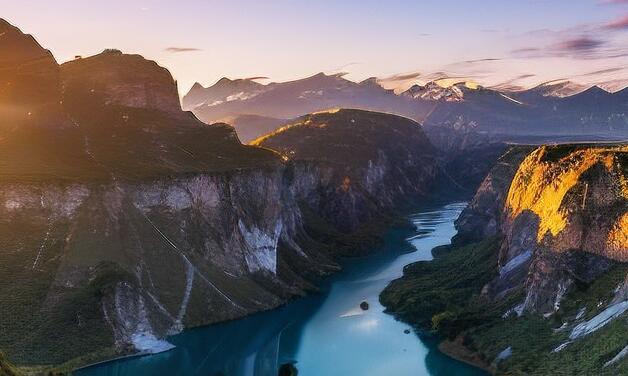
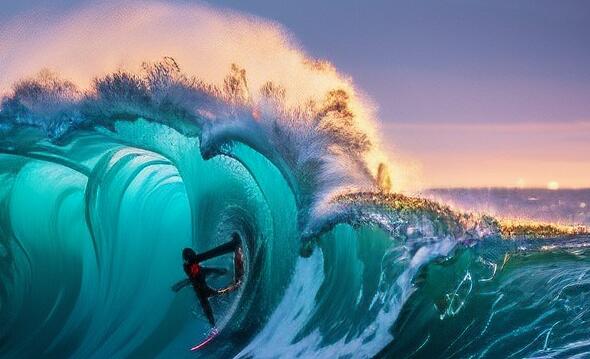
Australians are a peculiar bunch of people. They love the beach and the sun. But if you ask them about the "perfect" time to visit Australia, the answer isn't a single number. It's actually a long, winding road through six distinct pockets of weather and culture. Most people think summer is the answer. You get to wear shorts all day, the air smells like eucalyptus and salt spray, and you can dive straight into the ocean from morning until night. For a killer surf session, the best months are indeed November and December. The water starts to get cold in September and October, but the sun stays hot. You get to see a lot of kelp forests on the shores. But then there's the subtropical rainforest zone. If you hate mosquitoes, the answer might be completely different. Between January and March, the skies are often chubbier, and the rain pours down in sheets. However, it's the perfect time to roam the high mountains. You get to climb past 2000m without getting a single burnt-on index from the sun. The nights are frosty, and the air is crisp. The gold rush era of Australia is now history, but the rhythm of the rhythm of the gold rush still lives in the city. If you want the true North End vibe, walk down to the Yarra River. The light changes the water color from turquoise to a deep violet as the sun sets. The sunset happens between 6 PM and 8 PM. This is when the city feels alive. It's not just a city; it's a living, breathing entity that pulses with energy. The biggest trap for tourists is the humidity. You might think the heat is unbearable, but in January, the humidity is usually in the low 80s. It feels warm, not sticky. But in May, when the rain starts, the heat becomes oppressive. The world feels flat and gray. When you want to see the Big Bass, you need to hit the Lake Macquarie. The water is so clear you can see the bottom. But the best time to catch a tuna or a small finish is November. The water is warm enough to fish, but the current is strong enough to make you feel like you are swimming away. The fish are here because of the thermal upwelling. The wind is consistent. Speaking of wind, the west coast is different. You want the white beaches. The best months are June and July. The waves are huge, the sand is fine, and the sun is low. This is the peak surfing season. But the weather is unpredictable. You can get a sudden squall and lose your sunburn in minutes. That's why some people prefer the south coast in September and October. The waves are slightly smaller, and the rain is less of a problem. Let's talk about the mountains. In the Glenelg area, the best time to hike is March. The temperatures are moderate. The views of the water are blue. It's quiet. Most tourists skip this, but the locals love it. The air is clean. If you want to book a trip now, make sure you check the weather for your specific destination. Sydney and Melbourne are similar, but the North Coast is different. In the North, the snow is coming out of the ground in February. The ground is packed with frost. It's a beautiful sight, but the roads are muddy. There is a legend about the "Golden Hour" in the Hunter Valley. It happens between 5 PM and 7 PM. The sun is low, the light is golden, and the water reflects the sky. It's magical. But it's also expensive. You have to book tickets weeks in advance. If you want to avoid the crowds, go in March. The parklands are green and lush. The animals are active. It's quieter than the peak season. But the crowds start to build up in July and August. The beaches are crowded, and the prices are high. Finally, let's talk about the international visitors. The most popular international group is Chinese and Japanese. In the summer, they come to trade. In winter, they come to vacation. The climate is a big factor. In Australia, the seasons are opposite to what you expect. The "hot" season is actually "winter" in the northern hemisphere. So, what is the best time? There isn't one. It depends on what you want. Do you want the blue water? Go in November. Do you want the snow? Go in February. Do you want the green mountains? Go in March. Do you want the crowds? Go in July. Australia is a place of contrasts. It has the endless heat of the desert, the sudden cold of the south, the cool rain of the east, and the greenery of the west. The best way to experience it is not to pick a date, but to let the weather guide you. Maybe go to the south coast for the rain and the quiet. Maybe go to the north coast for the sun and the waves. Maybe go to the mountains for the crisp air in the morning and the rain in the evening. The geography of Australia is too complex for a simple rule. I've been there. I've seen it all. The best advice? Go somewhere. Find a spot that suits your mood. Then, enjoy the rest of the journey. The sun will be warm, the water will be cool, and the wind will be right. Just remember that sometimes the best time is just waiting for the right moment to arrive.
免责声明:本文内容来源于公开网络、企业供稿或其他合规渠道,仅用于信息交流与学习参考,不构成任何形式的商业建议或结论。若涉及版权、出处或权利争议,请联系我们将在核实后及时处理。